
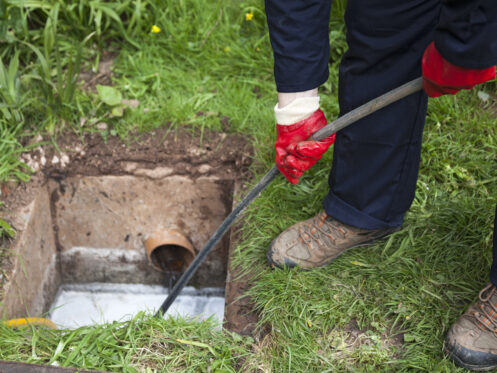
Imagine stepping outside after heavy rain to find water pooling near your foundation or slow drains inside your home. These problems often start underground, where tree roots seek moisture and invade your sewer line. Root intrusion can crack pipes, block drains, and cause costly backups. Learning what drives roots into your system and how professionals handle the issue can save you from emergency repairs.
How Roots Find Their Way Into Pipes
Tree roots see cracks and joints in underground pipes as open doors to a steady water source. As roots grow in search of water and nutrients, they exploit tiny gaps in clay, cast iron, and older piping systems. In most cases, intrusion happens through joints or failed seals rather than the pipe walls themselves.
At first, water flow hides their presence. Over time, however, roots form dense mats inside the pipe, blocking waste and reducing capacity. During drought, roots stretch deeper toward any damp area they can find. When heavy rain follows, the sudden water rush can shift soil around weakened pipes, leading to leaks or even collapse.
Signs of Root Damage in Your Plumbing
When roots breach your system, your plumbing sends out warning signals. You may notice slow drains in sinks or tubs as wastewater struggles to move past root tangles. Gurgling sounds emerge when air pockets form behind blockages. In severe cases, you might find wet spots or sinkholes in your yard where sewage has leaked into the soil. A foul odor near sewer cleanouts often indicates raw sewage pooling underground.
If clearing the P-trap or plunging doesn’t restore flow, roots may be obstructing the main line. A professional video camera inspection confirms the extent of root intrusion and guides targeted repairs.
Root Intrusion Prevention
Root-killing foams or gels coat the inner surface of pipes and inhibit new root growth. These treatments are most effective for early-stage root intrusions and are usually applied once or twice a year. While they can slow growth, they cannot repair cracks or clear heavy root masses. For advanced issues, professional tools and repairs are required.
When to Call a Professional Drain Cleaning Service
Once root growth enters multiple joints or pipes start collapsing under soil pressure, it’s time to call in experts. Professional plumbers use high-pressure water jetting machines that blast the inner pipe walls with up to 4,000 PSI. This technique clears roots and debris, but it does not prevent regrowth. After jetting, technicians perform a camera inspection to verify pipe condition.
If they find a cracked or collapsed section, trenchless pipe lining may be recommended. That process cures an epoxy layer inside the existing pipe, creating a new, seamless tube that resists future root intrusion.
Long-Term Solutions to Halt Future Root Intrusion
Trenchless pipe lining provides a durable barrier against root growth without the need to dig up your yard. Technicians insert a resin-impregnated lining into the damaged pipe through a small access hole. They inflate the liner until it bonds to the inner walls and cures into a smooth, jointless surface. This new liner resists roots pushing in from the outside.
In cases of severe damage, replacing vulnerable sections with modern PVC pipe featuring gasketed joints is another option. Installing root barriers, sheets of impermeable material placed vertically between trees and sewer lines, can also help. Chemical root killers, when carefully applied, provide added protection but should be handled responsibly to avoid harming nearby plants.
Maintaining Your Plumbing System for Root Prevention
Routine maintenance keeps roots from getting a foothold and helps you catch early warning signs. Schedule maintenance in spring to clear lines before heavy rain saturates the soil and encourages root growth. After summer, revisit your plumbing to assess how the system fared under peak conditions.
Proactive upkeep helps avoid costly emergencies and keeps your sewer line in top shape.
Why Trenchless Repair Beats Traditional Dig-and-Replace
Digging trenches to expose underground pipes disrupts your lawn, landscaping, and driveway. Trenchless repair techniques require only small access pits, one at each end of the damaged section. A cured-in-place pipe lining crew uses specialized inflatable liners that conform to the existing pipe’s shape, sealing cracks and smoothing internal surfaces. This trenchless method can often be completed within a day, with minimal impact on your property.
With proper care, a lined pipe can last 40–50 years, keeping roots at bay and saving you from re-landscaping costs. It’s a modern solution that combines speed, cost savings, and lasting performance.
Scheduling Professional Drain Services
If your sink starts draining slowly or you hear gurgling near the floor drains, it’s time to bring in a drain cleaning pro. We use rooter tools and hydro jetting to blast away blockages. Then we run a camera through the pipes to make sure everything is clear. Once the roots and debris are gone, we’ll recommend long-term solutions to prevent regrowth.
Take Action to Protect Your Plumbing Today
Along with expert rooter service, Plumbing, Cooling & Electrical Nerds offers trenchless pipe repair and preventive inspections to keep your sewer lines root-free. Don’t let roots clog your system. Schedule your plumbing assessment in Southwest Florida today and secure your home’s plumbing health with Plumbing, Cooling & Electrical Nerds.
