
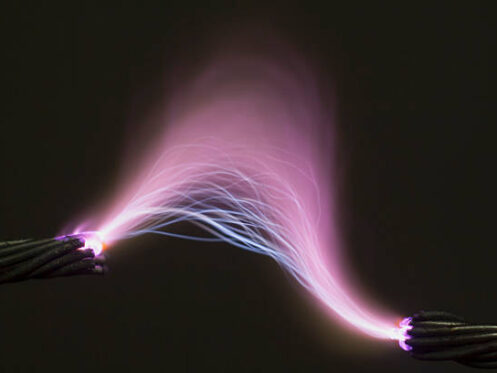
When you hear crackling or see small sparks coming from an outlet, this may be a sign of electrical arcing or another serious electrical fault. Arcing inside walls can damage appliances, start fires, or interrupt your power supply. Learning what triggers arcing and how to stop it can ensure your safety and prevent costly repairs.
What Is Electrical Arcing?
Electrical arcing happens when current jumps across a gap between two conductors instead of flowing smoothly through a wire or cable. That arc heats air and metal to extremely high temperatures, causing the bright flash and crackling sound you might notice.
In a proper wiring setup, connections fit tightly, insulation remains intact, and current flows predictably. When wires loosen or coatings degrade, the electricity looks for any shortcut to complete the circuit. The result becomes a spark that scorches metal surfaces, damages insulation, and creates electromagnetic interference.
Common Causes of Arcing in Home Wiring
Thermal cycles cause metal to expand and contract over time, gradually loosening screws or wire nuts. A wiggling plug can jostle a grounding prong and set off repeated arcs. Damaged insulation from rodents chewing wires or from drilling through walls without protective coverings exposes bare copper.
That bare section can flash against metal boxes or adjacent grounding wires. Oxidation and corrosion increase resistance at electrical connections, turning what was once a solid joint into a weak point. Instead of flowing cleanly through the conductor, the current may jump across tiny cracks, leading to voltage spikes and potential hazards. High electrical load from heavy appliances can stress a weakened connection, causing arcs when motors start or when compressors switch on.
Dangers and Consequences of Arcing
An electrical arc releases heat at temperatures reaching thousands of degrees Fahrenheit. That localized surge in temperature can melt metal contacts, warp outlets, and burn plastic insulation. Nearby wooden studs or paper backing on drywall may smolder and ignite, leading to fires inside walls. Even short arcs can send electromagnetic pulses through wiring, risking damage to sensitive electronics like computers and home theater equipment.
Frequent sparking can also damage breaker contacts or bus bars, making them unreliable. Beyond fire, this creates a risk of electric shock when you touch a switch or outlet. The visible sparks indicate a system that no longer holds current securely inside conductors.
How to Spot Electrical Arcing Early
You might detect arcing before seeing sparks. Pay attention to outlets that emit a faint burning smell or show scorch marks around plugs. Flickering lights or appliances that randomly power on and off can be signs of momentary circuit drops. These often happen when electrical arcs briefly open the circuit for just a few milliseconds.
You may notice small puffs of smoke or a sizzling sound inside wall switches. An infrared camera can sometimes reveal hotspots at breaker panels or outlets, though it cannot see through walls. Regularly inspect outlets, receptacles, and switch plates for discoloration.
When to Call a Professional
You can tighten a loose outlet cover or replace a damaged switch plate in minutes if you know how to shut off power at the breaker panel and use basic tools safely. However, any repair involving wires inside a junction box, inside walls, or behind a breaker requires a licensed electrician. Our professionals have the training to test the entire circuit, trace wiring faults behind drywall, and replace worn breakers or damaged wiring to code. If you see scorch marks on a circuit breaker or sense heat at the panel, don’t risk completing the work yourself. Contact a professional to diagnose arcing and restore safety.
Preventing Future Arcing Through Maintenance
You can reduce the risk of arcing by scheduling a professional inspection of wiring and connections at least once a year, or before peak summer and winter loads. It’s important to tighten loose wire nuts and screws in accessible junction boxes and panels.
Have us replace aging outlets with modern tamper-resistant models that grip plugs more firmly. We can install arc fault circuit interrupters (AFCIs) on circuits that power bedrooms and living areas. These devices detect high-frequency arcing currents and trip faster than standard breakers. Use surge protectors to keep voltage transients from lightning or utility switching from stressing connections.
Arc Tracking and Insulation Breakdown
When insulation on wires degrades, it can leave a thin carbon trail that invites continuous arcing, a phenomenon called arc tracking. As the plastic or rubber covers age, tiny cracks collect dust, moisture, and chemical residues. Those deposits form a conductive film so electricity can jump across the wire surface instead of staying inside the conductor. A crackle hints at current flowing over the insulation and gradually burning channels into the coating.
Arc tracking is more likely in damp or dirty conditions, such as basements, garages, or near appliances. Over weeks or months, the arc tracking path can deepen, eating away at insulation until the conductor underneath becomes exposed. At that point, the risk of a solid short circuit or a sustained arc that melts nearby metal goes up dramatically. A qualified electrician can test insulation resistance with a megohmmeter to measure leakage currents along the wire surface.
Environmental and Load Factors That Exacerbate Arcing
Certain environmental conditions and heavy loads can push a marginal connection into arcing territory. High humidity makes air more conductive, so gaps between wires that normally resist current suddenly carry arcs. Dust and airborne debris settle on switch contacts and outlets, trapping moisture and providing a bridge for voltage to jump.
In spaces like garages or unfinished basements, that combination of dust, humidity, and temperature swings can turn dormant wiring into a sparking hazard. On the load side, motors in washing machines, air handlers, and refrigerators draw a surge of current when they start. If a connection at the motor terminal is slightly loose, that surge stresses the joint and can crack the contact surface.
Each start-stop cycle can deepen spark pits in the terminal until the connection fails completely. For larger residential HVAC units or well pumps, adding soft-start kits can reduce inrush stress and help limit arcing. Controlled startup prevents arcs from forming at plug-in connections and extends the life of both wiring and appliances. When your home includes circuits running high-demand equipment, adding motor-starting protection and environmental sealing around switches keeps those delicate contact points from turning into arc generators.
Modern Solutions to Minimize Arcing Risks
Upgrading your electrical panel to include arc fault breakers cuts arc risk dramatically on branch circuits. Those breakers monitor current waveforms and trip at the first sign of arcing patterns. Whole-home surge protectors, installed at the main panel, shield your home by blocking voltage spikes before they can damage appliances or weaken electrical connections.
If your home has older aluminum branch wiring or corroded bus bars, upgrading to modern copper or copper-clad systems reduces arcing risks. Replacing knob-and-tube or cloth-insulated wiring with modern sheathed cable removes a major arcing hazard in older homes. New smart load centers offer monitoring of each circuit’s status, alerting you by app when a breaker trips or when abnormal current arcs occur.
Contact Us Today to Stop Electrical Arcing in Your Home
Professional electricians from our team in Southwest Florida can diagnose trouble using infrared cameras and circuit testers, then replace faulty outlets, tighten connections, or install arc fault circuit interrupters. Alongside arcing repairs, Plumbing, Cooling & Electrical Nerds offers panel upgrades, safety inspections, and wiring replacements to modernize your home’s electrical system.
Protect your family and property by contacting Plumbing, Cooling & Electrical Nerds today.