
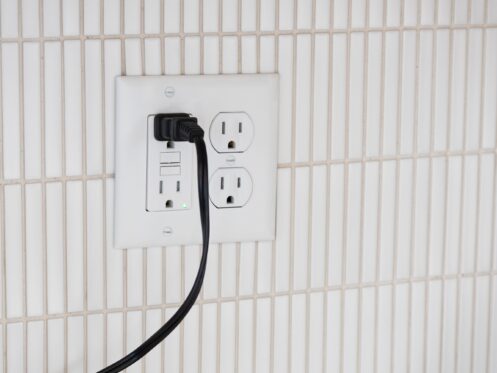
Few household issues feel as confusing as a GFCI outlet that keeps tripping for no obvious reason. One moment, everything works fine, and the next, the outlet shuts off power, interrupting daily routines and raising concerns about your electrical system. While this can be frustrating, a tripping GFCI outlet is doing its job by protecting you from electrical hazards.
What a GFCI Outlet Does and Why It Matters
A GFCI, or ground fault circuit interrupter, monitors the flow of electricity through a circuit. It continuously compares the current traveling out through the hot wire with the current returning on the neutral wire. Under normal conditions, those values match.
If the GFCI detects even a small imbalance, it assumes electricity may be escaping the circuit and traveling through water, metal, or a person. The outlet immediately cuts power to reduce the risk of shock or electrocution. This rapid response is why GFCIs are required in bathrooms, kitchens, garages, basements, laundry rooms, and outdoor areas. Because GFCIs are highly sensitive, repeated tripping usually signals a real issue rather than a simple nuisance.
Moisture Is the Most Common Culprit
Moisture is the leading cause of GFCI tripping. Water conducts electricity, and even small amounts can create a ground fault. Bathrooms and kitchens experience frequent splashes, steam, and condensation that can enter outlets. Outdoor GFCIs are exposed to rain, humidity, and temperature fluctuations, while basements often deal with damp air or hidden leaks.
When moisture reaches electrical components, the GFCI responds by cutting power. In some cases, allowing the area to dry completely resolves the issue. In others, moisture damage requires professional repairs or component replacement.
Faulty or Aging Appliances Can Trigger Trips
A GFCI outlet protects everything plugged into it, including appliances that appear to function normally. Over time, appliance cords wear down, internal wiring loosens, and insulation deteriorates. These issues allow small amounts of current to leak, which the GFCI detects immediately.
Hair dryers, space heaters, coffee makers, refrigerators, and washing machines commonly trigger GFCI trips as they age. The outlet may trip only while the appliance is running, making the problem seem random.
Testing the outlet with a different device helps narrow down the cause. If the GFCI trips only when a specific appliance is plugged in, that appliance likely needs to be replaced.
Wiring Problems Behind the Outlet
Loose connections, damaged insulation, or improperly wired circuits can also cause repeated GFCI tripping. These issues often develop gradually as wiring ages or a home settles. Improper wiring is especially common in older homes that were not originally designed for GFCI protection.
When GFCI outlets are added without proper rewiring, compatibility issues can arise. Loose or damaged wires may create intermittent ground faults that trip the outlet unexpectedly. Because these problems are hidden behind walls or inside electrical boxes, professional inspection is required to correct them safely.
Overloaded Circuits and Shared Loads
A GFCI outlet does not trip due to overload alone, but shared circuits can contribute indirectly. Many GFCI outlets protect multiple downstream outlets. A fault occurring elsewhere on the circuit—such as with a hair dryer, exhaust fan, or light fixture—can cause the GFCI to trip and shut off power to everything it protects.
Understanding which outlets are connected to the same GFCI can help identify where the fault is originating.
The GFCI Outlet Itself May Need to Be Replaced
Like any electrical device, GFCI outlets wear out over time. Internal components degrade due to repeated tripping, heat exposure, and age. Most GFCI outlets last about 10 to 15 years under normal conditions.
An aging GFCI may trip too easily or fail to reset properly. If moisture and appliance issues have been ruled out, replacing the outlet is often the most effective solution.
Why Pressing Reset Doesn’t Always Fix the Problem
Pressing the reset button without addressing the underlying issue only provides temporary relief. The outlet trips again because the fault remains. This behavior indicates that the GFCI is functioning correctly.
Ignoring frequent trips or forcing the outlet to stay on increases the risk of electrical shock or fire. A tripping GFCI serves as an early warning system and should be taken seriously.
How to Troubleshoot a Tripping GFCI Safely
You can take a few safe steps before calling for professional help. Unplug everything connected to the GFCI outlet, then press the reset button. If it stays on, plug devices back in one at a time to identify the source of the problem.
Check for visible moisture and allow damp areas to dry completely before restoring power. Test downstream outlets protected by the same GFCI, as a fault elsewhere on the circuit can trigger the main outlet. If the GFCI trips with nothing plugged in, wiring issues or a failing outlet are likely to blame.
When a GFCI Trip Signals a Bigger Electrical Problem
Some GFCI trips indicate serious electrical hazards. Warning signs include burning odors, buzzing sounds, discoloration around outlets, or warm faceplates. Outlets that trip repeatedly with no load often point to hidden wiring issues.
In these situations, continuing to reset the outlet increases risk. Electrical systems require specialized tools and training to diagnose safely. Professional intervention prevents minor issues from becoming dangerous failures.
Why GFCIs Are Necessary in Specific Areas
Building codes require GFCI protection in areas where electricity and water are likely to come into contact. Kitchens, bathrooms, garages, laundry rooms, and outdoor spaces carry higher shock risks.
While frequent tripping may feel inconvenient, it reflects the outlet’s effectiveness in protecting your home and family.
How Professional Electricians Fix Persistent GFCI Issues
Professional electricians begin by testing the outlet, circuit load, and grounding. Leakage currents are measured, wiring connections inspected, and damaged components identified.
If moisture is the cause, solutions may include improved sealing, outlet relocation, or installing weather-resistant devices. Wiring issues are repaired or replaced to restore safe operation. In many cases, upgrading outdated GFCI outlets to newer models resolves frequent tripping while maintaining full protection.
Preventing Future GFCI Problems
Keeping outlets clean and dry significantly reduces unnecessary trips. Use outlet covers in moisture-prone areas and avoid plugging appliances into damp outlets. Replace appliances that show signs of electrical wear.
Periodic electrical inspections help identify wiring problems early. Proactive maintenance ensures GFCIs operate reliably when needed without constant interruptions.
A Tripping GFCI Is a Message, Not a Malfunction
When a GFCI outlet keeps tripping, it’s a signal that something needs attention. Southwest Florida homeowners trust us to service their homes because our team is equipped to diagnose and resolve these issues.
In addition to GFCI outlets, we provide general electrical repairs, electrical panel services, surge protection solutions, and wiring and rewiring services.
Instead of ignoring recurring trips, contact us at Plumbing, Cooling & Electrical Nerds to identify the cause and restore safe operation. Schedule an appointment today.